

Developers expect quick results. If your product doesn’t provide value within 15 minutes, they’ll likely move on. This is the 15-Minute Rule, a key metric for measuring Time-to-Value (TTV) - the time it takes for a user to achieve their first meaningful success. Companies like Stripe, Supabase, and Vercel excel by delivering frictionless onboarding, allowing developers to reach their "aha moment" fast.
Here’s why it matters:
Developers prefer self-service: They want tools that integrate quickly into their workflows.
First impressions count: Fast value delivery improves engagement, retention, and conversion rates.
TTV shapes growth metrics: Faster activation boosts revenue and reduces acquisition costs.
The goal? Simplify onboarding, highlight quick wins in ads, and track TTV to refine the user experience. This isn’t just about onboarding - it’s a growth strategy that drives long-term success.
What Is the 15-Minute Rule?
At the heart of improving developer-focused advertising lies the 15-Minute Rule, a guideline for delivering value quickly and effectively.
The 15-Minute Rule defines the timeframe in which a developer should encounter meaningful value from a product. It's not about completing the entire onboarding process or mastering every feature. Instead, it’s about reaching that first “aha moment” when the product demonstrates its ability to solve a problem.
This rule reflects how developers approach new tools. When exploring a product, developers are often juggling multiple tasks and need to quickly determine whether it’s worth investing more time. This benchmark shapes not only onboarding strategies but also advertising campaigns that highlight immediate benefits for developers.
The concept has become a key metric for identifying Product-Qualified Leads (PQLs). Developers who experience value quickly are more likely to become active users, upgrade their plans, and advocate for the product. Any friction during onboarding - whether it’s complex setup steps or unclear documentation - can lead to drop-offs, making it essential for product teams to focus on delivering value in those critical early moments.
Why Developers Expect Quick Results
Developers evaluate tools differently than traditional enterprise buyers. They prefer a self-service model, avoiding lengthy demos or guided onboarding sessions. Instead, they want the freedom to explore and test products on their own terms.
Accustomed to solving problems quickly through documentation, code examples, and hands-on experimentation, developers assess tools based on how seamlessly they integrate into their workflows and deliver immediate results. If a product demands extensive configuration before showcasing its core functionality, developers are likely to move on to alternatives. Their low tolerance for friction means that speed and simplicity are non-negotiable.
How Stripe, Supabase, and Vercel Deliver Quick Wins
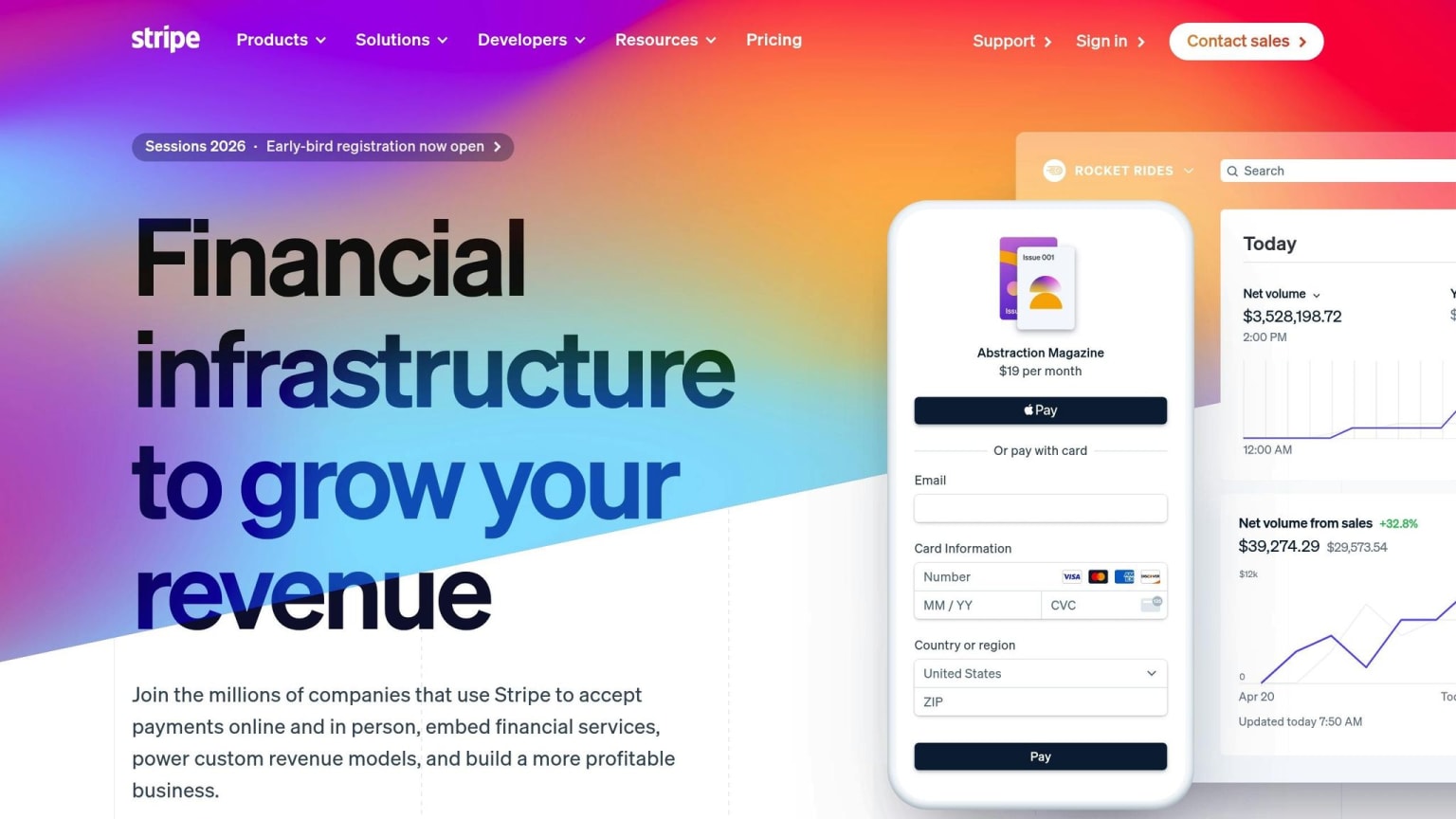
Some of the leading developer platforms have mastered the art of delivering value rapidly by simplifying their onboarding processes.
Stripe: Known for its API-first approach, Stripe allows developers to quickly create an account, generate an API key, and process a test payment. Its documentation includes ready-to-use code snippets in multiple languages, and its test mode enables experimentation without financial risk. More complex tasks, like configuring payment methods or webhooks, are deferred until after developers experience the product’s core value.
Supabase: With its database and authentication services, Supabase enables developers to spin up a PostgreSQL database, insert data, and query it via an auto-generated API shortly after signing up. This eliminates the need for boilerplate code and allows developers to build real-time features and authenticate users without dealing with complex infrastructure setup.
Vercel: Vercel simplifies deployment by connecting directly to GitHub repositories and automatically detecting the framework in use. Developers can deploy applications with minimal configuration, and its preview deployment feature creates a live environment for every pull request, making it easy to test changes without affecting production.
These platforms focus on demonstrating their core value right from the start, rather than overwhelming users with every feature. By minimizing setup, providing immediate feedback, and offering clear next steps, they create an onboarding experience that accelerates developer engagement. These examples highlight how reducing time-to-value not only enhances onboarding but also informs effective advertising strategies aimed at developers.
How to Measure Time-to-Value
Measuring Time-to-Value (TTV) isn't just about tracking how long developers use your product - it's about identifying the moment they experience real, tangible value. This is the point when a developer transitions from exploring your product to achieving something meaningful. Without pinpointing this moment, teams risk focusing on vanity metrics instead of actions that truly drive engagement. Defining and tracking this milestone is key to understanding and improving early developer experiences.
What Counts as Value for Developers
Value for developers isn’t about completing every tutorial or following every step. It’s about reaching the point where the product solves a real problem.
For example:
API-first products: Value happens when a developer makes their first authenticated API call and receives a valid response. That’s the moment they know the API works for their needs.
Deployment platforms: The magic happens when code goes live and generates a shareable URL. Developers can immediately see their work in action or share it with teammates.
Infrastructure tools: Value kicks in when a database instance spins up, authentication is configured, or a containerized application runs as expected. It’s the point where developers see their infrastructure functioning without needing to wrestle with manual setup.
The common thread? Value is tied to an actionable achievement - successfully using the product in a way that proves it works. It’s not about passive activities like watching a demo or reading documentation. To define your product’s value milestone, focus on the smallest action that makes a developer think, “This works for me.” Once you’ve identified this milestone, tracking the time it takes to reach it becomes critical.
How to Track TTV Over Time
Once you’ve defined your value milestones, tracking TTV allows you to refine your strategies and improve developer activation.
Start by tracking two key timestamps: when users sign up and when they hit your value milestone. The time between these events is your TTV. Here’s how you can make this process more effective:
Set up event tracking: If your milestone is an API call, track when users generate an API key and receive their first successful response. For deployment milestones, track when users connect their repository and complete their first deployment. Use analytics tools to automate this tracking and calculate elapsed time.
Use cohort analysis: Group users by signup date to see how TTV changes over time. For example, compare TTV for users who experienced updated onboarding flows versus earlier groups. Faster TTV in newer cohorts suggests improvements are working.
Segment your audience: Break down TTV by user type. Developers from technical channels or with experience in similar tools may reach value faster than those from broader marketing efforts. Understanding these differences helps fine-tune onboarding and ad targeting.
Identify drop-off points: If many users sign up but few reach the value milestone, investigate where they’re getting stuck. Are there confusing steps? Delays? This insight helps you remove roadblocks.
Focus on the median TTV: Averages can be misleading if there are outliers. The median gives a clearer picture of what most users experience.
Track TTV by feature: If your product has multiple entry points - like starting with authentication versus database setup - track TTV for each. Different pathways might lead to different times-to-value. Optimizing the most common paths can improve the overall experience.
Set up alerts for spikes in TTV: If TTV suddenly increases, it could signal onboarding issues, API performance problems, or outdated documentation. Automated alerts allow you to address these issues quickly.
Finally, build a dashboard to monitor TTV alongside metrics like activation, retention, and conversion. This lets you assess whether faster TTV leads to better outcomes, such as higher retention or improved engagement. By maintaining this feedback loop, you can continuously refine your product, documentation, and ad strategies to make the developer journey smoother and more rewarding.
Building Ad Campaigns That Reduce TTV
Creating ad campaigns that clearly set expectations can significantly speed up a developer's journey to finding value in your product. Ads that highlight the specific benefits developers will experience within their first 15 minutes - and remove any initial hurdles - attract the right audience. When your campaign aligns its promises with what developers actually experience, it reduces confusion, simplifies onboarding, and helps them quickly reach key milestones.
Writing Ad Copy That Shows Immediate Benefits
Your ad copy should focus on what developers can achieve within the next 15 minutes.
Vague or generic claims won't resonate. Developers need to see a clear, tangible outcome they can accomplish, not just a broad description of what your product does. For example, instead of saying, "Deploy your apps faster", try something like, "Deploy your first app in under 10 minutes." Similarly, replace "Powerful authentication API" with "Add Google login to your app in 5 minutes."
This level of specificity does two things: it sets clear expectations before developers even click, and it encourages follow-through. When developers know exactly what they'll achieve right away, they’re more likely to commit to completing the task.
Clarity about requirements also matters. If developers need a GitHub account to get started, mention it upfront. If they can sign up without providing credit card details, make that clear too. Highlighting features like one-click deployment through GitHub integration can further simplify the process and make it more appealing.
Use action-oriented language that matches the steps developers will take. Words like "deploy", "connect", "authenticate", and "query" carry more weight than vague terms like "explore" or "discover." These verbs encourage direct engagement and reinforce the idea of quick progress.
Consider running different ad variations that highlight specific value milestones. For instance, one ad could focus on making the first API call, while another emphasizes seeing live results. Since developers care about different outcomes, testing these variations can help you identify the messaging that resonates best with your audience.
Lastly, avoid overloading your ads with technical jargon unless absolutely necessary. Developers appreciate precision, but they're also busy. Straightforward, accessible language often works better. For example, "Get your database running in 3 minutes" is far more effective than a lengthy technical explanation.
Once your ad sets clear expectations, the landing page must deliver on the promise of swift results.
Designing Landing Pages for Fast Onboarding
Your landing page is where the promise of your ad comes to life. If your ad says developers can deploy in 10 minutes, the landing page must make that process simple and obvious.
The most effective landing pages remove unnecessary steps between arrival and action. Developers clicking your ad are already interested - don’t make them dig through long marketing copy or watch a video just to find the signup button. Place a clear call-to-action (CTA) above the fold, and ensure the next steps are easy to follow.
Some of the best landing pages feature working code snippets or a clear path to an initial win, like making a test transaction, right on the page. This approach puts action front and center, with additional details available for those who want to explore further.
Providing pre-filled templates or starter code can also speed up the process. Instead of leaving developers to figure out how to structure their first API call, offer ready-to-use examples they can copy and tweak. Many platforms include code snippets for popular frameworks directly on their landing pages, giving developers a clear idea of what they'll be working with before they even sign up.
Keep the required information to a minimum. Every extra field adds friction and delays the moment developers see value. If all you need is an email address to get them started, don’t ask for more upfront.
Social proof can be helpful but shouldn’t overshadow the main action. A quick mention of well-known companies using your product can build trust, but place logos or testimonials below the primary CTA to avoid interrupting the flow.
Tailor your landing pages to match specific ad campaigns. For example, if one campaign targets mobile app developers and another focuses on backend engineers, create separate pages that reflect these distinct use cases. This alignment reassures developers that they’re in the right place and reduces cognitive effort.
Offer multiple entry points to cater to different preferences. Some developers might want to dive into documentation, others may prefer jumping straight into a dashboard, and some might want to test code locally. Providing options - like deploying a template or importing from GitHub - lets them choose the quickest path to value.
Speed is crucial. Your landing page should load in under two seconds. Developers working on technical projects are particularly sensitive to performance issues; a slow-loading page can create doubts about your product's reliability before they even start.
Remove distractions like navigation menus or extra links that steer attention away from the main goal. The landing page’s primary job is to guide developers toward their first milestone as quickly as possible.
To test how effective your landing page is, ask someone unfamiliar with your product to visit it and explain what they would do next. If they hesitate or misunderstand the intended action, simplify the page further. The path from landing to value should be so intuitive that no additional explanation is needed.
Finally, ensure your landing page mirrors the promises made in your ad. If the ad says, "Deploy in 10 minutes", the landing page headline should reinforce that exact message. Any disconnect between the ad and the page can lead to confusion, erode trust, and increase the chances that developers will leave before reaching their first success.
Both your ad campaigns and landing pages play a critical role in helping developers quickly reach their 15-minute "aha" moment. They must work together seamlessly to make the journey as smooth as possible.
Improving Product Onboarding to Hit the 15-Minute Mark
Even the best ads and landing pages won't save you if your onboarding process stalls the user's experience. To keep developers engaged, you need to streamline onboarding so they can achieve meaningful results in just 15 minutes. Once they sign up, your onboarding process becomes the deciding factor - either they hit that first milestone or abandon your product altogether. The key is to remove friction and create small, rewarding moments that keep their momentum going.
Removing Setup Barriers
The quickest way to reduce time-to-value is by cutting out unnecessary steps between signup and the first success. If your onboarding process drags on past the 15-minute mark, you risk losing even the most enthusiastic developers.
Start by auditing your onboarding flow. Measure how long it takes users to go from signing up to achieving their first success. If it’s taking too long, identify steps that can be automated, pre-configured, or eliminated. Often, the problem isn’t the complexity of the product itself but the excessive setup required upfront.
Authentication is a common roadblock. Skip early email verification, two-factor authentication, or lengthy profile setups. Instead, let developers dive in immediately with options like GitHub or Google login. You can always prompt for additional security measures later, after they’ve experienced the value of your product.
Pre-configuring essential settings is another smart move. Let users tweak configurations later, but don’t make these steps mandatory before they can get started.
A guided workflow can make all the difference. While some developers prefer to explore independently, many will appreciate a clear, task-driven path. The goal isn’t to force everyone into a rigid tutorial but to provide helpful signposts for those who need guidance.
Avoid requiring credit card details upfront. Developers want to test your product before committing financially. If billing is necessary, give them a meaningful trial period to explore and accomplish tasks before asking for payment.
Progressive disclosure works wonders for developer tools. Instead of overwhelming users with every feature at once, show them only what they need to complete their current task. Gradually introduce additional features as they progress to avoid information overload.
Single sign-on integrations can also speed things up. For example, if developers connect their GitHub account, your product could automatically detect their tech stack, frameworks, or existing projects, saving them from manual setup steps.
By removing these barriers, you pave the way for early wins that reinforce a sense of progress and keep users engaged.
Creating Early Wins
Why focus on the 15-minute mark? It’s the sweet spot where developers are most motivated and focused. To keep them hooked, your onboarding process needs to deliver tangible results within this window. These early wins build confidence and encourage users to stick around.
Replace static documentation with interactive tutorials that show immediate results. When developers see something work right away, it reinforces the value of your product and motivates them to continue.
Starter projects and templates can save a lot of time. Instead of starting from scratch, give developers a functional application they can deploy, explore, and modify. This approach showcases best practices and lets them see results in minutes rather than hours.
Instant feedback mechanisms are crucial. Whether it’s a confirmation message after completing a step, an API response, or a deployment notification, immediate feedback reassures users they’re on the right track and prevents frustration.
Provide sandbox environments where developers can experiment freely without worrying about breaking anything or incurring unexpected costs. This creates a safe space for exploration and learning.
Celebrate success. When developers hit key milestones - like their first API call, deployment, or user authentication - acknowledge it with progress indicators or confirmation messages. These small moments of recognition go a long way in maintaining engagement.
Offer quick-start paths for developers who want to accomplish a specific task right away, alongside more comprehensive onboarding options for those who prefer a deeper dive. This flexibility respects different working styles and ensures everyone can find value quickly.
Real-time collaboration features can also speed up onboarding. If a developer gets stuck, the ability to share their screen or invite a colleague to their session can prevent frustration. Some platforms even include built-in support chat that appears contextually when users seem to struggle, offering help before they give up.
Keep documentation task-oriented and accessible. Instead of overwhelming users with exhaustive reference guides, provide relevant code snippets and explanations exactly when and where they’re needed. Inline documentation that appears alongside the interface minimizes distractions and keeps developers focused.
Use analytics to identify pain points in your onboarding process. Monitor where developers drop off, how long they spend on each step, and which help articles they frequently access. For example, if many users abandon during database setup, it’s a clear sign to simplify or automate that step.
The Business Impact of Faster TTV
Faster time-to-value (TTV) isn't just a win for user experience - it directly impacts business growth. By streamlining onboarding and ad campaigns, platforms can help developers achieve success more quickly. And when developers see results early, they’re more likely to stick around, upgrade to paid plans, and even recommend your product to others. Even small tweaks to the onboarding process can lead to noticeable growth.
Quicker activation translates to lower customer acquisition costs, higher lifetime value, and more efficient marketing spend. For developer tools that rely on a product-led growth model, optimizing TTV is a critical step toward building a sustainable business while ensuring every marketing dollar works harder.
How TTV Influences Growth Metrics
When value delivery is delayed, developer engagement often takes a hit. On the other hand, early wins can keep developers engaged and excited about your product. This enthusiasm often spreads through organic word-of-mouth, bringing in new users at a lower cost.
By enabling developers to activate themselves without heavy reliance on support or sales teams, you naturally lower customer acquisition costs. Faster TTV also builds trust in your product’s ability to solve real problems, leading to smoother transitions from free trials to paid plans. Over time, this can boost retention, deepen engagement, and create a ripple effect that strengthens your financial outcomes.
Measuring the Impact of TTV Improvements
Tracking and quantifying TTV improvements is essential to understanding their impact. Start by establishing baseline metrics like current TTV, activation rates, retention over specific timeframes, and conversion rates. Even minor improvements in these areas can result in a significant increase in activated users over time.
Reducing TTV not only accelerates conversions but also lowers support costs by making the user journey more intuitive. Over time, better retention and reduced acquisition costs can shorten the payback period for new users, ultimately improving overall profitability.
Conclusion
The 15-minute rule has become a crucial benchmark for success in developer tools. If developers find genuine value within their first 15 minutes of using your product, they’re far more likely to stick around - and even recommend it to others. Every interaction, from the initial ad to the onboarding process, should be designed to minimize friction and maximize impact.
This concept doesn’t just influence product design; it reshapes your entire marketing approach. Ads should do more than just grab attention - they need to clearly communicate what developers can achieve in those first few minutes. When your messaging highlights quick wins and your product delivers on them, you create a growth loop that lowers acquisition costs while boosting retention and lifetime value.
For teams aiming to connect with developers where they’re already active, daily.dev Ads offers a unique solution. With access to over 1,000,000 developers, the platform allows for precise targeting based on factors like seniority, programming languages, and tools. Combine that with expert creative support and real-time performance tracking, and your campaigns are set up for success.
Ready to explore how to drive fast developer activation with tailored campaigns? Let’s discuss how daily.dev Ads can help you achieve your goals.
FAQs
What is the best way to measure and track Time-to-Value (TTV) to meet the 15-Minute Rule?
To measure and track Time-to-Value (TTV) effectively, start by defining what "value" means for your product. This could be a particular action or outcome that provides measurable benefits to your users. Then, determine the starting point for tracking - whether it’s when a user signs up, installs your product, or begins interacting with it. Finally, calculate the time it takes from that starting point to when the user reaches the defined value. Simplifying this process helps ensure your TTV aligns with the 15-Minute Rule, speeding up developer activation and engagement.
What are effective ways to streamline developer onboarding and reduce friction?
Streamlining developer onboarding is essential for boosting productivity and minimizing frustration. The key lies in automation and consistency. Automate tasks like setting up development environments and pre-configuring tools such as IDEs. Implement access controls to cut down on repetitive manual work. Make sure developers have access to centralized documentation and self-service knowledge bases so they can quickly locate the resources they need.
Fostering collaboration is another important piece of the puzzle. Pair new developers with mentors or buddies, organize knowledge-sharing sessions, and use interactive learning platforms to make the process more engaging. For remote teams, adopt asynchronous onboarding methods and ensure communication is friendly to various time zones to support global team dynamics. These approaches can make onboarding smoother and help developers hit the ground running.
Why should ad campaigns emphasize the value developers can experience within the first 15 minutes?
Ad campaigns that emphasize what developers can achieve within the first 15 minutes of using a product can significantly boost engagement and adoption. By focusing on these quick wins, developers quickly grasp the practical benefits, making them more inclined to dive deeper and keep using the tool.
When you showcase fast and clear results, it grabs attention, minimizes hesitation, and builds trust. This strategy fits perfectly with the fast-moving workflows developers are accustomed to, where immediate results often drive both interest and long-term use.