

Open source projects thrive on community, not ads. But getting noticed in a crowded space like GitHub (with over 200 million repositories) requires a different playbook. Developers value transparency, clear documentation, and proof of usefulness over flashy marketing. Here’s how to grow your project organically:
- Optimize Your GitHub Repository: Treat your README like a landing page. Include a clear value proposition, installation steps, and visuals (like GIFs or badges for build status). Add helpful files like CONTRIBUTING.md to encourage collaboration.
- Engage in Developer Communities: Answer questions on platforms like Stack Overflow or Hacker News. Share your project only when it genuinely solves a problem.
- Create Problem-Solving Content: Write tutorials, case studies, or architecture overviews that show how your tool addresses developer challenges. Short screencasts (5–10 minutes) can also work well.
- Leverage Newsletters: Submit high-quality tutorials or deep dives to newsletters like JS Weekly or Python Weekly for organic exposure.
- Launch Strategically: Use platforms like Hacker News, Reddit, and Product Hunt simultaneously to maximize visibility. Secure your first 100 stars by reaching out to your network.
Paid marketing can help later but only after proving your project’s value organically. Focus on metrics like GitHub stars, contributor retention, and production usage to track real growth. The key is consistent engagement and making it easy for developers to contribute.
Why Traditional Marketing Doesn't Work for Open Source
::: @figure 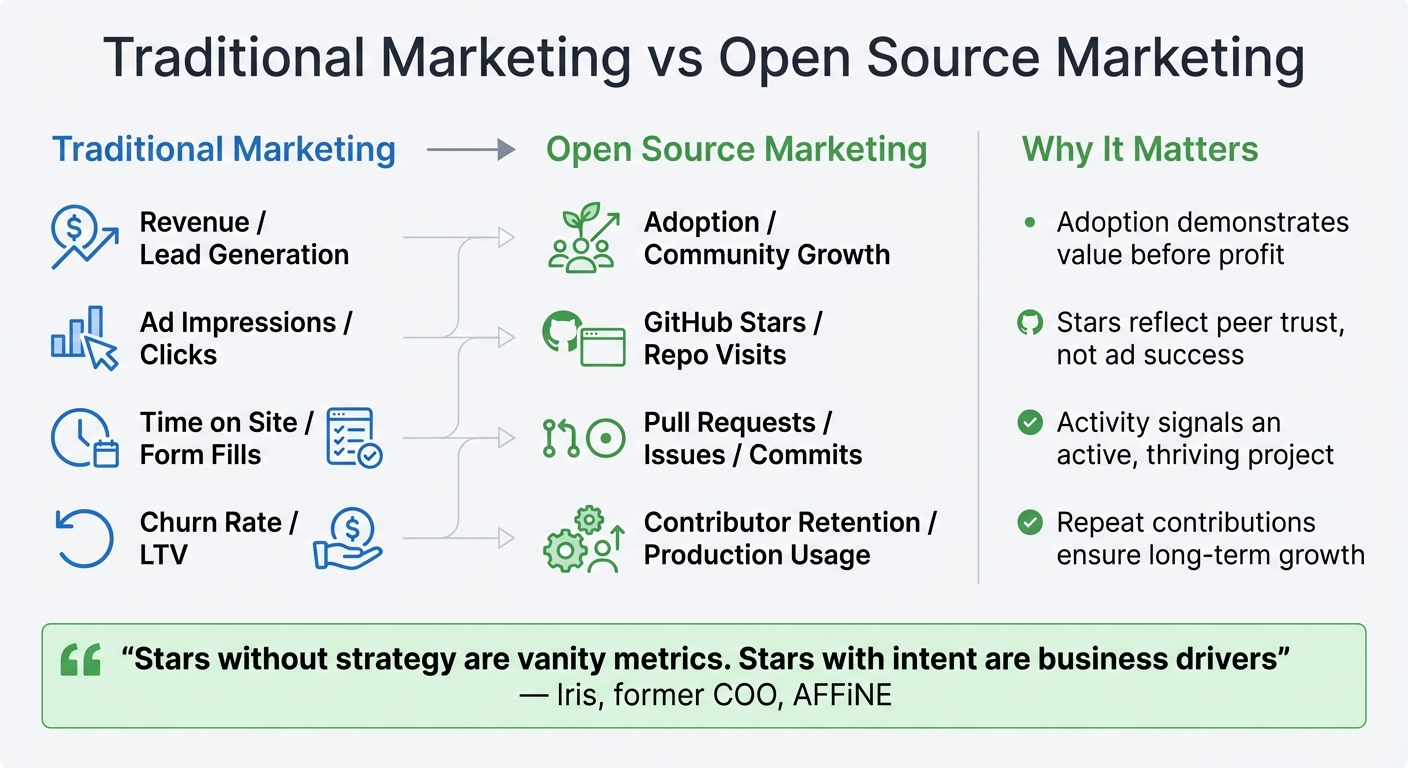 {Traditional Marketing vs Open Source Marketing Metrics Comparison}
Developers Reject Promotional Content
Developers are naturally skeptical of marketing jargon. Overuse of buzzwords has led to what many call "buzzword fatigue", where overly polished language can instantly undermine trust. What developers want are real solutions, not flashy claims. As Olga Rusakova from Evil Martians explains:
Forget fancy marketing speak. People search for solutions, not beautifully wrapped 'selling' words .
A great example of this shift is Imgproxy, which dropped vague terms like "blazing-fast" in favor of sharing concrete benchmark results in 2024 to rebuild trust .
This demand for proof isn't limited to marketing - it reflects a broader mindset. A 2024 study revealed that 96% of developers don’t fully trust AI-generated code without verifying it themselves . If developers scrutinize their tools this closely, it’s no surprise they expect the same rigor from marketing. Segun Adebayo, the maintainer of Chakra UI, highlights another common pitfall:
One of the biggest mistakes I see is the use of too much technical terminology. It's easy to go overboard and obscure the value of the project .
This skepticism shapes not just the language developers respond to but also the metrics and goals that resonate in the open source world.
Different Metrics, Different Goals
Open source marketing operates on an entirely different set of priorities compared to traditional marketing. While conventional methods focus on driving revenue and generating leads, open source projects emphasize community engagement and adoption. Metrics like GitHub stars, contributor retention, and production usage take center stage. However, these metrics have their own challenges. For instance, a project might rack up thousands of stars but fail to address a real problem, leaving it without paying users .
| Traditional Marketing | Open Source Marketing | Why It Matters |
|---|---|---|
| Revenue / Lead Generation | Adoption / Community Growth | Adoption demonstrates value before profit |
| Ad Impressions / Clicks | GitHub Stars / Repo Visits | Stars reflect peer trust, not ad success |
| Time on Site / Form Fills | Pull Requests / Issues / Commits | Activity signals an active, thriving project |
| Churn Rate / LTV | Contributor Retention / Production Usage | Repeat contributions ensure long-term growth |
As Iris, former COO of AFFiNE, points out:
Stars without strategy are vanity metrics. Stars with intent are business drivers .
The key lies in translating those stars into meaningful outcomes, like integration and sustained usage. For a thriving open source project, metrics like a 30% rate of repeat pull requests and a steady 10% month-over-month growth in stars are strong indicators of health .
What Happens When You Get It Wrong
A misstep in messaging can cost open source projects dearly. Cal.com’s transformation illustrates this well. Between 2021 and 2025, they shifted from vague descriptions like "open source scheduling software" to outcome-driven messaging. By focusing on specific benefits - such as independence for small teams, control for enterprises, and embeddable tools for developers - they turned their GitHub repository into a showcase of their capabilities. This repositioning helped them grow into a business generating millions in ARR .
Common mistakes include using an overly aggressive tone, ignoring pull requests, or neglecting documentation. With over 200 million repositories on GitHub competing for attention , an empty README or unresponsive maintainer can make a project look abandoned.
The solution is straightforward: replace hype with facts, communicate like a peer instead of a marketer, and zero in on the real problem your project solves. Eason, Founder of Usertour, puts it best:
A GitHub repo without visibility is effectively invisible. If you're building something for others to use, not promoting it is almost the same as not releasing it at all .
sbb-itb-e54ba74
How to Get Discovered Organically
If you're working without a marketing budget, your best tools for growth are your GitHub repository and active participation in developer communities. The key? Show up where developers already spend their time.
Optimize Your GitHub Repository
Think of your README as your project's landing page. Developers often decide within seconds whether your project is worth their time, so your value proposition needs to be front and center. Start with a one-line installation command for easy setup, followed by a simple code snippet that demonstrates value in under 10 minutes.
Visuals matter, too - use screenshots, GIFs, or short videos to showcase your tool in action. Badges for things like npm version, build status, and test coverage can also make a big difference. For example, projects with test coverage above 80% are often seen as more reliable . Don't forget to customize your social preview card (Open Graph image) so your repository looks polished when shared online.
A great example of this in action is the open-source tool Preevy. In August 2023, Zevi Reinitz, Head of Marketing at Livecycle, shared how Preevy reached 1,500 GitHub stars in just 12 weeks. The team started by optimizing their README with clear visuals and descriptions, then used a two-phase strategy: they first secured 100 stars through direct networking to build credibility, then focused on organic growth through content distribution .
To improve discoverability, use repository topics and tags strategically. These help your project show up in GitHub's search results and get indexed by search engines. Adding files like CONTRIBUTING.md and CODE_OF_CONDUCT.md signals that you're open to collaboration, while labels like "Good first issue" and "Help wanted" make it easier for new contributors to get involved.
Participate in Developer Communities
Once your GitHub repository is polished, it's time to engage directly with developers in their favorite spaces. The most effective maintainers actively answer questions and share insights on platforms like Hacker News, Dev.to, and Stack Overflow, mentioning their project only when it genuinely solves a problem.
On Hacker News, the "Show HN" format can be particularly effective. Include a detailed first comment explaining your project's purpose, and aim to post on Tuesday or Wednesday mornings (US Pacific time) for better visibility . On Dev.to, the #showdev tag is a great way to connect with developers actively looking for new tools.
Stack Overflow offers a more evergreen opportunity. Answering technical questions in your domain and linking to your tool when it's genuinely relevant can drive long-term traffic. Developers searching for solutions months later may stumble upon your project through these thoughtful answers.
"Awesome Lists" on GitHub are another powerful tool. These curated lists attract developers actively evaluating tools in a specific category, offering high-intent referral traffic. Aligning this strategy with your GitHub and content efforts can amplify your organic reach.
Write Content That Solves Problems
When creating content, focus on addressing real-world challenges rather than just listing your tool's features. Tutorials that solve specific problems, architecture deep-dives explaining technical decisions, and honest comparisons that acknowledge trade-offs resonate deeply with developers.
High-quality guides not only rank well in search engines but also drive meaningful traffic. You can even turn GitHub issues or pull requests into case-study–style blog posts that highlight your technical expertise . Sharing the "why" behind your design decisions or bug fixes demonstrates transparency and builds trust.
Video content is another effective medium. Short screencasts or live coding sessions (5–10 minutes) provide a hands-on experience and often perform better than lengthy deep dives . Embedding GIFs directly in your README can also showcase functionality without requiring developers to leave the page.
This approach delivers immediate value while establishing long-term credibility within developer communities.
Get Featured in Developer Newsletters
Developer newsletters like JS Weekly, Go Weekly, and Python Weekly are excellent ways to reach thousands of engaged readers. The trick is to provide content that goes beyond a simple project announcement. Tutorials or deep-dives showing how your tool solves a specific problem are more likely to get featured.
Submitting high-quality content to these newsletters can lead to organic mentions, which carry more credibility than paid sponsorships. For maximum impact, coordinate your releases across Dev.to, Reddit, and newsletters. This kind of momentum can even help your project hit GitHub's trending page. With over 200 million repositories vying for attention , timing and multi-channel distribution are crucial for standing out.
These strategies help you build a strong foundation for organic growth, setting the stage for future paid marketing efforts as your project evolves.
When Paid Marketing Makes Sense for OSS
Paid marketing can be a powerful tool for growing an open-source project - but only if the timing is right. If your project is still ironing out major issues or your documentation is incomplete, it’s better to hold off. Once you’ve hit a point where the project is stable and its value is clear, paid channels can help you scale in ways that organic efforts alone might not achieve.
Wait Until Your Project Is Ready
The key is to promote only after your project has reached a stable release (beyond alpha) and your documentation is polished. Developers should be able to get started in under 10 minutes with clear, functional examples. If you can’t summarize your project’s value in one concise sentence, it’s a sign you need to refine further before diving into paid ads.
"Paid acquisition without organic validation is burning money. Prove value with real users before scaling." – Iris, former COO, AFFiNE
Launching paid campaigns for an unfinished project can backfire, wasting your budget and tarnishing your reputation. A poor first impression is tough to undo. Once you’ve validated your project through organic growth, you can invest in ads more confidently and strategically.
Where to Spend Your Budget
After proving your project’s value, the next step is deciding where to allocate your advertising dollars. Developer-focused platforms are a great starting point, as they allow you to target audiences actively searching for new tools. For instance, daily.dev Ads provides access to over 1.6 million developers and offers tech stack-specific targeting - perfect for promoting something like a TypeScript library directly to TypeScript developers.
Developer newsletters are another effective channel. Publications like JS Weekly or Go Weekly reach highly engaged readers and typically charge between $500 and $2,000 for a single placement. These newsletters come with built-in trust, making them a reliable way to connect with your audience. For initial campaigns, starting with a budget of $500 to $1,000 is a good idea. If your project has commercial backing, sustained visibility over several months may require $10,000 or more.
A great example of paid marketing success is Livecycle’s Preevy. In August 2023, Zevi Reinitz, Livecycle's Head of Marketing, helped the open-source tool grow to 1,500 GitHub stars in just 12 weeks. The strategy included small paid campaigns on Ethical Ads, Reddit, and Twitter, combined with keyword targeting, influencer partnerships, and content distribution on Dev.to. This multi-channel approach led to steady increases in traffic and contributions each week .
Mistakes to Avoid
Even with a solid budget, certain missteps can erode developer trust. Avoid spamming communities with promotional posts disguised as advice, restricting access to documentation, or using clickbait tactics and inflated claims. These strategies can alienate your audience and damage your credibility.
Instead, focus on messaging that highlights outcomes. Don’t just promote the tool itself - emphasize what it enables, like faster deployments, better data control, or reduced infrastructure costs. This approach resonates more deeply, especially when targeting decision-makers who prioritize measurable business benefits.
How to Launch with Momentum
Once you've optimized your repository and engaged your community, the next step is to launch your project in a way that maximizes its visibility. A well-planned launch not only grabs attention but also helps secure those all-important first 100 stars, creating social proof that encourages others to jump on board.
Coordinate Across Multiple Channels
Timing plays a crucial role in launching an open-source project. To get the most out of your efforts, push your launch across multiple platforms simultaneously. These include Hacker News (using the "Show HN" tag), Reddit (targeting subreddits like r/programming and r/opensource), Product Hunt, and Twitter. For the best results, aim for peak activity times: early morning EST for Hacker News and mornings on the US Pacific Coast for social media posts. Tuesdays and Wednesdays tend to perform best for visibility .
A great example comes from September 2024, when Percona launched Percona Everest, an open-source database automation tool. Aleksandra Mitroshkina, their Director of Solutions Marketing, spearheaded a multi-channel strategy that included email campaigns, PR, webinars with early adopters, and community-driven initiatives. The result? They doubled product adoption compared to the beta launch, tripled website traffic, and added millions to the sales pipeline .
For platforms like Hacker News, ensure your first comment - ideally from the CTO or lead developer - dives into the "why" behind your project . On Reddit, focus on engaging with specific subreddits like r/webdev or r/reactjs by offering valuable insights rather than just dropping links . If you're using Product Hunt, plan ahead with a detailed 6-week timeline, including outreach to key opinion leaders and a 24-hour launch strategy .
Once your message is out there, your next focus should be securing those first 100 stars to establish credibility.
Get Your First 100 Stars
Reaching 100 stars on GitHub is more than just a milestone - it’s a way to establish trust and kickstart organic growth. Start by reaching out to your own network. Use WhatsApp, LinkedIn, and Twitter to connect with friends, colleagues, and former coworkers, asking them to support your project . This initial "artificial growth phase" provides the foundation for a broader launch.
"Stars without strategy are vanity metrics. Stars with intent are business drivers." – Iris, former COO of AFFiNE
To build trust, share a clear and transparent roadmap for your project. Data shows that projects with over 1,000 stars are far more likely to attract sustained corporate interest and contributions .
Once you've hit this early milestone, the next step is to make it as easy as possible for users to contribute to your project.
Make Contributing Easy
Your README file is the gateway to your project - it needs to grab attention in 30 seconds and help users achieve something tangible within 10 minutes . Include key elements like:
- A one-line install command
- Badges showing CI status and version
- A link to a live demo
Also, provide clear contribution guidelines through CONTRIBUTING.md and set expectations with a CODE_OF_CONDUCT.md file .
Label beginner-friendly tasks as "Good first issue" or "Help wanted" to make onboarding contributors simple . Quick response times to issues and pull requests are critical - delays can give the impression of an inactive project. A great example is Usertour, a product tour builder launched by developer Eason in February 2025. By creating a clear README, a functional demo, and actively engaging on subreddits like r/selfhosted and r/webdev, Usertour gained over 1,200 GitHub stars in just three months .
"If you find it's hard to document a particular feature, that's probably a sign that it's too complicated and you need to simplify it." – Aaron Francis, Sidecar Maintainer
To accommodate different learning styles, offer resources like quick-start guides, tutorials, and short screencasts (5–10 minutes). Hosting weekly office hours on Discord or quarterly roadmap webinars can also help build transparency and foster early feedback from users .
How to Maintain Growth Over Time
Getting off to a strong start is just the first step - keeping the momentum going requires a plan. To ensure consistent growth, focus on strategies that bring in new developers while keeping your current users engaged. This means leveraging the buzz from your launch and committing to ongoing efforts like creating engaging content, fostering an active community, and measuring what truly matters.
Create a Content Flywheel
Every resolved issue, design choice, or merged pull request can become a story. Turn these into short case studies that outline the problem, the steps you took to solve it, and the final outcome. This not only builds trust but also shows your commitment to transparency and problem-solving .
Instead of posting plain changelogs, make release announcements that focus on the updates users care about most. Highlight the top two or three changes and bring them to life with short video demos or GIFs to showcase how they work in action .
Build an Active Community
When a user requests a feature, prioritize it, and let them know when it’s live. Closing this loop can turn users into passionate advocates who spread the word about your project.
Take Sayed Ezadi, for example. By actively listening to his community and quickly implementing requested features, he significantly boosted his project's recurring revenue .
Being responsive is critical. Ignored pull requests or unresolved issues can give the impression of an inactive project, which might discourage contributors . To stay engaged, consider hosting weekly office hours on Discord or running quarterly roadmap webinars. These live sessions not only address questions but also foster a sense of transparency . Pair this with usage data to fine-tune your approach and keep your community thriving.
Track What Actually Matters
As your content and community efforts grow, it’s important to measure the right metrics. While GitHub stars and social media followers provide some validation, focus on metrics that reflect real adoption. Look at npm downloads, Docker pulls, Stack Overflow mentions, and repeat contributor rates to gauge how engaged developers are .
Here are some benchmarks to aim for:
- A monthly GitHub star growth of +10%
- A repeat pull request rate of 30% or higher
- A click-through rate of over 5% on documentation demos
These numbers show whether developers are not just finding your project but actively using and contributing to it.
"Stars without strategy are vanity metrics. Stars with intent are business drivers." – Iris, former COO of AFFiNE
To dig deeper, set up analytics on your documentation site to track referral sources. This will help you identify which communities or newsletters bring in the most engaged users. Additionally, use GitHub Actions to sync new community sign-ups with your CRM, creating a seamless pipeline from open-source users to potential commercial opportunities .
Real Examples of OSS Marketing Done Right
These examples show how blending organic efforts with targeted paid strategies can fuel impressive growth for open-source software (OSS) projects.
Supabase: Tutorials Meet Paid Promotions
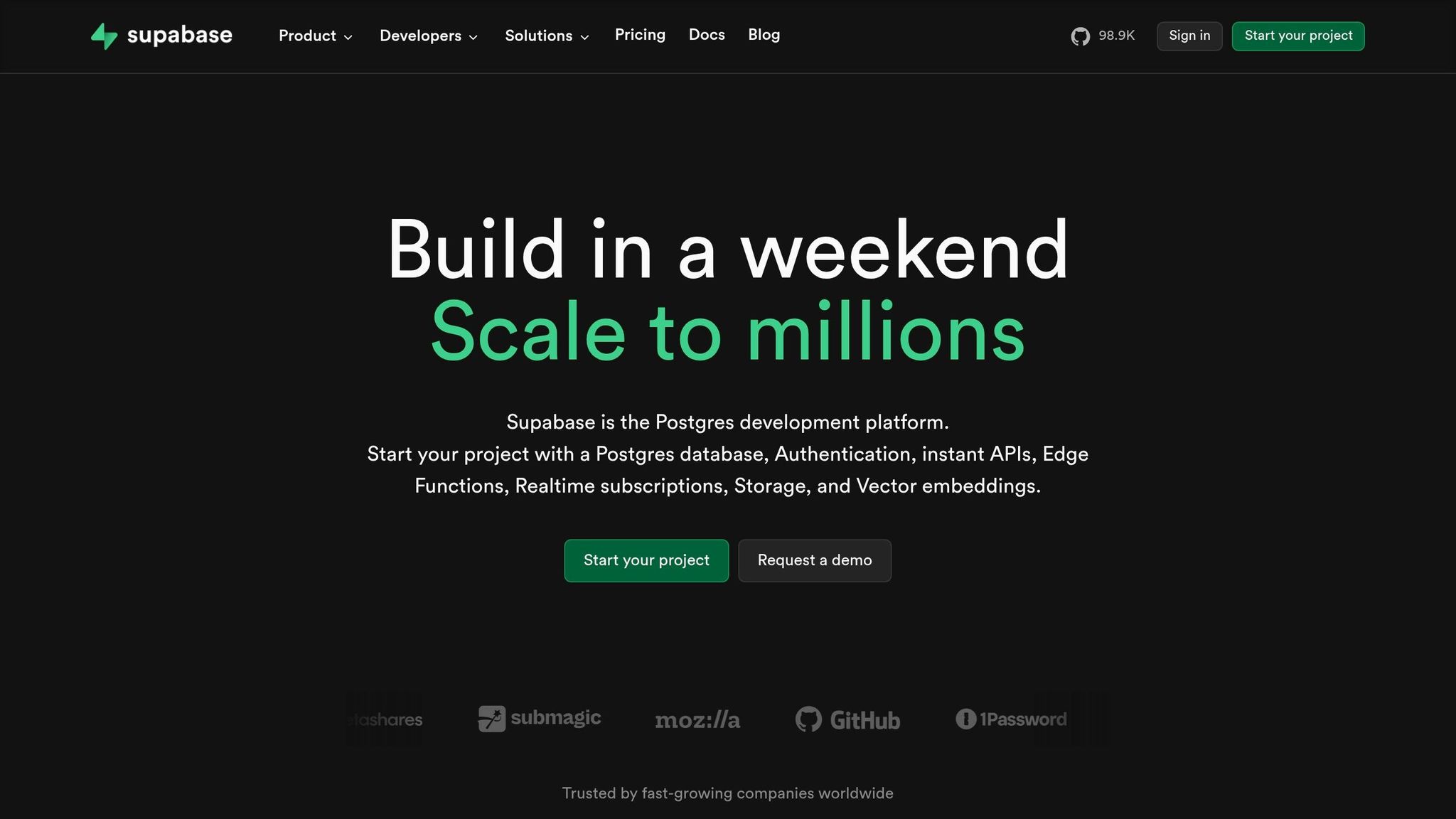
Supabase took a results-driven approach by focusing on solving real-world business challenges instead of just showcasing their tool’s features. They created tutorials that not only educated users but also gathered feedback from the community. Once they built trust and demonstrated value organically, they introduced paid promotions, such as newsletter ads and placements on platforms like daily.dev. This strategy effectively bridged open-source adoption with their commercial goals.
Astro: Community-Centered Growth
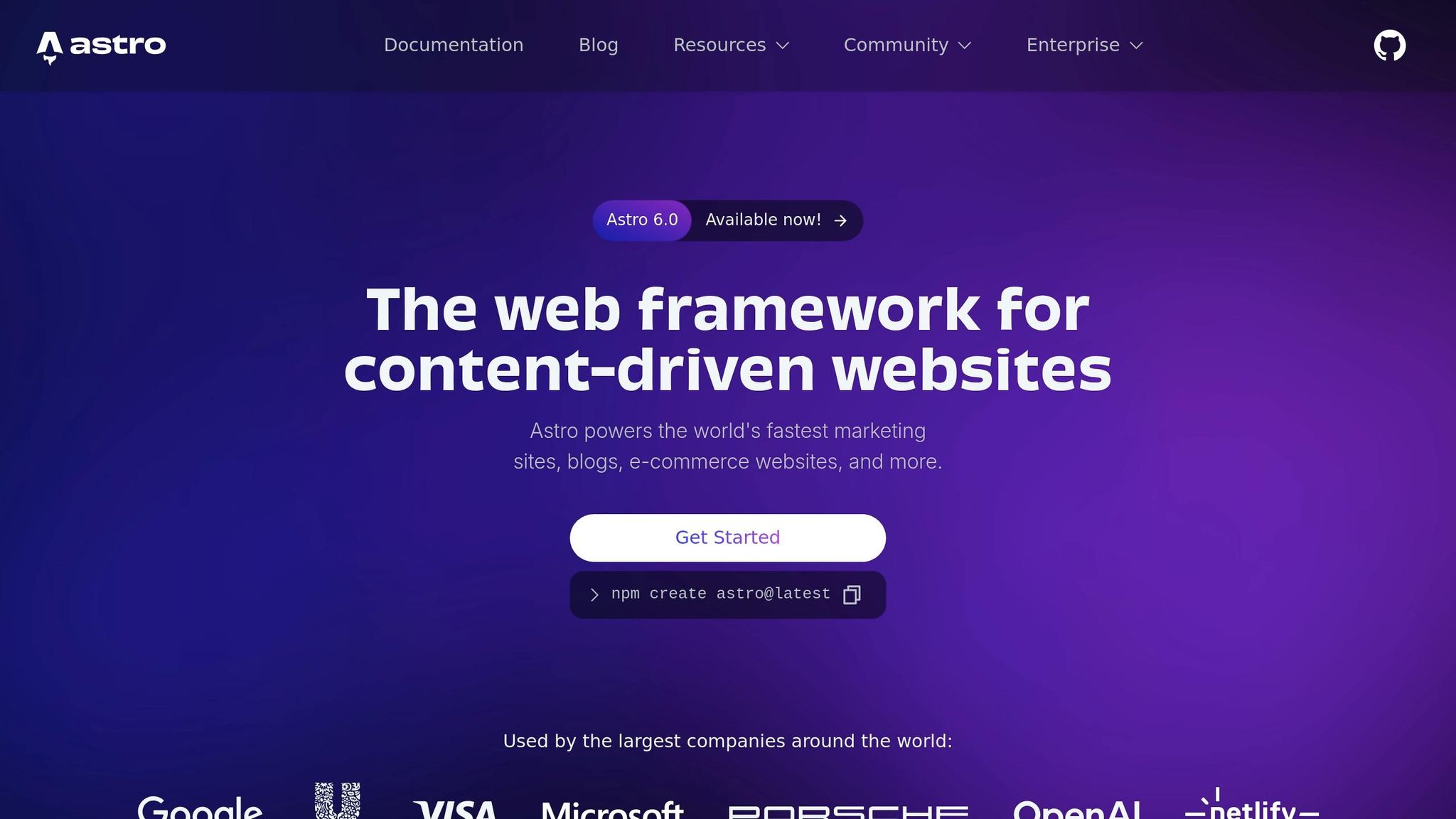
Astro’s team placed community engagement at the heart of their strategy. They treated every pull request, GitHub issue, and comment as a chance to show how developer feedback could impact growth. Their Discord server was carefully organized with channels like #showcase and #help, encouraging active participation and collaboration. Through their ambassador program, they gave super-users early access to features and direct communication with the core team. These ambassadors became passionate advocates, driving organic growth through their enthusiasm and involvement.
tRPC: Organic Validation Before Paid Growth
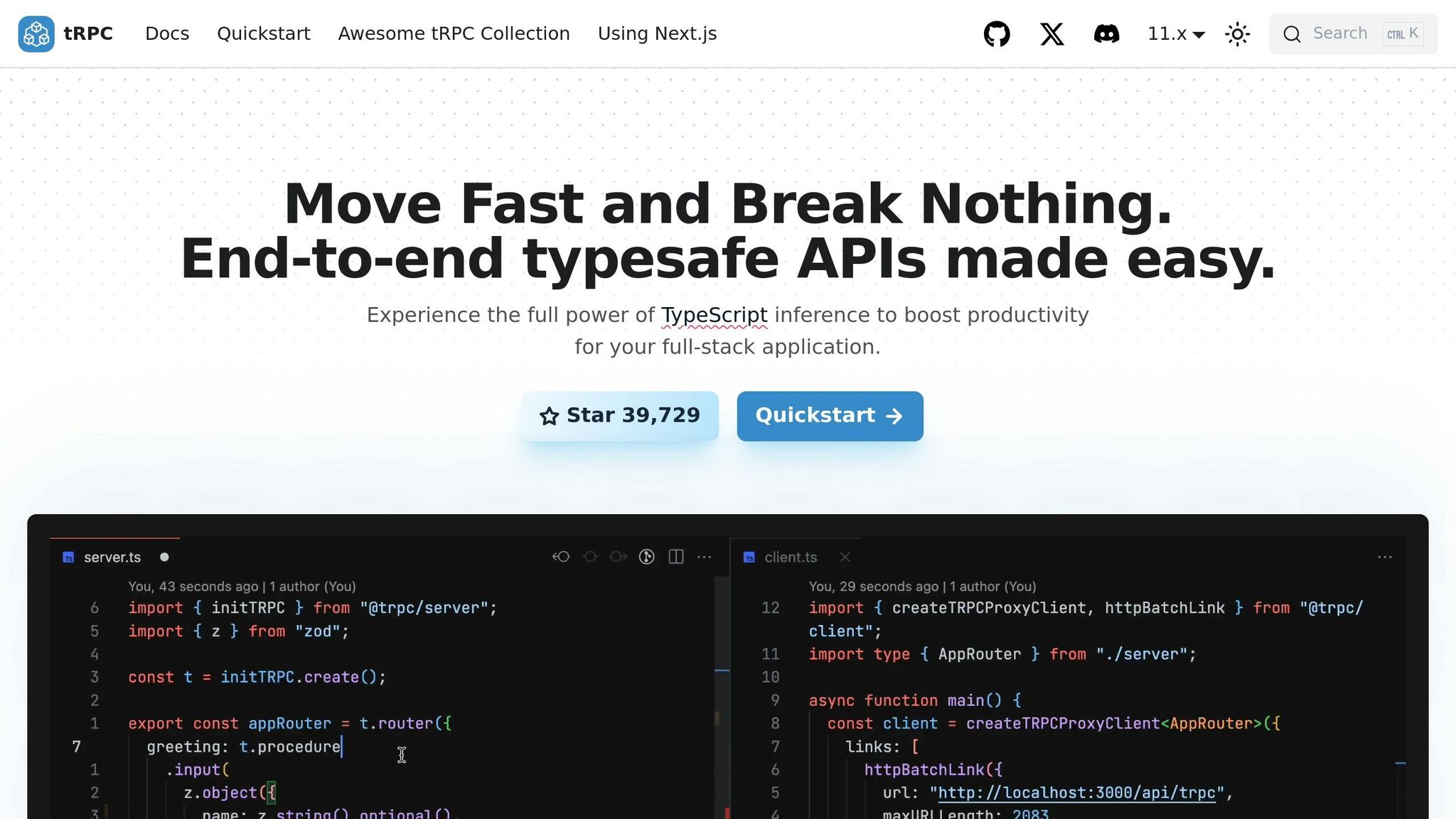
tRPC’s growth strategy started with proving value organically before investing in paid campaigns. As they put it:
Spending money to acquire users without first proving value organically is just burning cash.
Their GitHub README was designed as a high-conversion landing page, featuring clear value propositions, live demos, and easy-to-follow installation commands. Early traction came from their personal networks, earning the first 100 stars and building credibility among developers. After validating product-market fit through platforms like GitHub and Twitter, they scaled up with paid campaigns that amplified their organic momentum.
Conclusion
To grow your open source project, start by refining your GitHub README, engaging genuinely within developer communities, and creating content that addresses actual challenges. This organic strategy costs nothing but time and fosters the trust that open source thrives on. As Ben Balter, Product Manager at GitHub, wisely states:
The superficial promise of open source is that if you publish your code, others will make it better. Strictly speaking, that's not the case.
If you want contributors, you have to actively promote your project.
Once your organic efforts show results, you can think about scaling with paid marketing. However, timing is critical - paid campaigns work best when your project is already mature. As Iris, former COO of AFFiNE, explains:
Paid acquisition without organic validation is burning money. Prove value with real users before scaling.
Focus on metrics that reflect real engagement. For example, aim for a contributor retention rate of 30% or higher (those making repeat pull requests), monitor active usage trends, and look for third-party integration examples . It’s not about collecting stars on GitHub; it’s about driving meaningful interaction. Track how many users take actions tied to long-term retention, like integrating your tool into their workflow or completing their first automated task . Continuously refine your metrics to maintain momentum.
The heart of open source success lies in consistent, meaningful engagement. Remember the "90-9-1" rule: 90% of your community will quietly consume your content, 9% will engage only when they need help, and 1% will become the core contributors who drive your project forward . Your role is to make every step - from discovery to contribution - smooth and inviting.
FAQs
How much does OSS marketing cost?
OSS marketing can kick off with no cost at all by leveraging organic strategies such as engaging with the community and creating valuable content. If you decide to incorporate targeted paid campaigns, you might need a budget typically ranging from $500 to $1,000, tailored to the specific needs and objectives of your project.
Should I advertise before stable?
It's better to hold off on advertising until your project is stable and equipped with proper documentation and examples. Jumping into promotion too soon can hurt your credibility and make it harder to attract users. Instead, prioritize reaching a point of stability where your project meets basic expectations. This way, your marketing efforts will resonate more effectively with your audience.
Best channel for OSS?
The most effective channels for open-source software (OSS) promotion include GitHub for organic discovery and community platforms like Reddit, Hacker News, and Dev.to to generate launch momentum. To expand your reach, explore newsletters and conferences, which can help you connect with the right developer audience. Prioritize building trust and engaging genuinely with the community to ensure your project gains traction and grows successfully.
How to measure success?
Success should be gauged through metrics that genuinely reflect engagement and adoption. Focus on GitHub stars, downloads, the number of contributors, and actual project usage - these provide a clear picture of how well your project is resonating with its audience. Avoid placing too much weight on vanity metrics like page views, as they often fail to indicate meaningful interaction or long-term value.
When to hire DevRel?
When your project reaches 10,000+ monthly active users, has over 50 contributors, and you have the budget for a full-time role, it’s the right time to bring on a DevRel. These numbers show that your project has gained enough momentum to make a dedicated developer relations advocate a worthwhile investment.